| Key to Texas |
|
|
   |
|
The Early 20th Century, 1900 to 1929The Progressive Movement
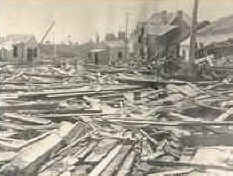
Voters in the city elected a five-member city commission. In addition to collectively making decisions that affected the whole city, each member was in charge of a different city department, such as the Water Department. This form of municipal government worked so well in Galveston that more than 600 cities in Texas and the United States soon adopted the new system. The commission plan represented a major reform of the Progressive movement. Some cities and towns also adopted the city manager plan in which city councilmen or commissioners hired a professionally trained manager to supervise the day-to-day operations of all municipal services. Progressives in Texas attempted to make other changes, too. They wanted to end child labor. Most progressives also supported the rights of labor unions to organize. They wanted a minimum wage law, a limited work week and better inspections of food and drugs. Finally, they also wanted to reform Texas banks and prisons. Some of the more famous Texas Progressives included Edward M. House, James Hogg, Charles Culberson, Joseph Sayers, S. W. T. Lanham, Thomas M. Campbell, James E. Ferguson and Miriam Ferguson. Women suffragists like Rebecca Hays and Minnie Fisher Cunningham worked closely with the Progressive movement in advocating reforms. Other women social activists helped create a number of settlement houses to provide educational and social programs for immigrants, the working class and poor people.
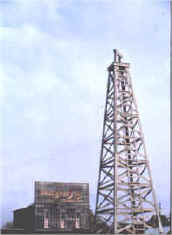
The economic development occurring in Texas spurred a migration of people from Northern and Midwestern states. Immigrants from Pennsylvania and Ohio, which had been the main oil producing regions in the country, came to Texas to participate in the oil boom there. With the introduction of large scale irrigation and the expansion of railroads into Texas, many Midwestern farmers moved to the lower Rio Grande Valley. They were able to grow crops of cabbage, onions, spinach and citrus and ship them to eastern markets. Many of these immigrants were not used to the patronage political system found in much of Texas and they became active participants in attempts to reform Texas government.
Additional Resources
Study Guide Questions:
|
|